Graduate student completes thesis, accepts offer from Texas Tech

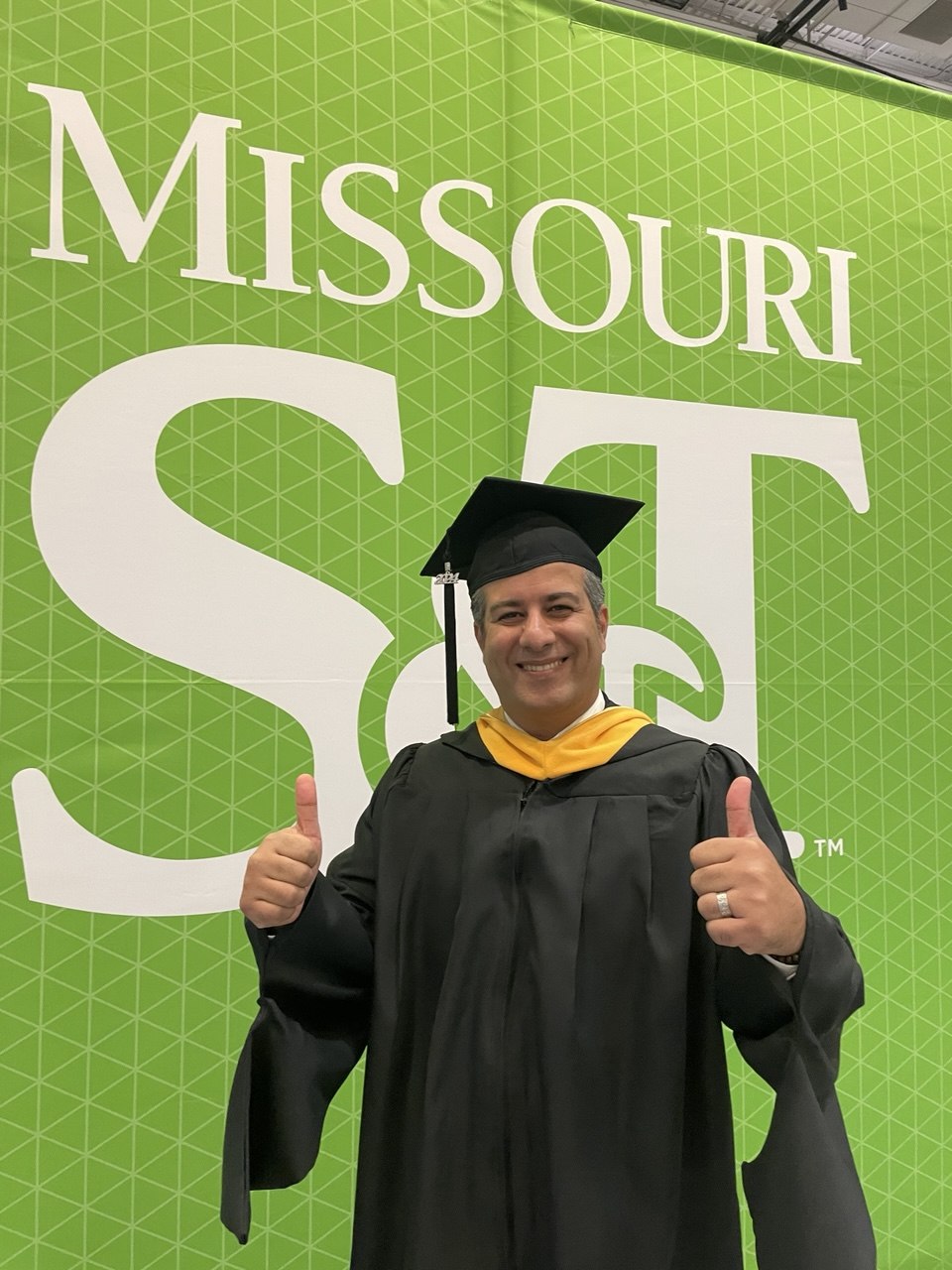
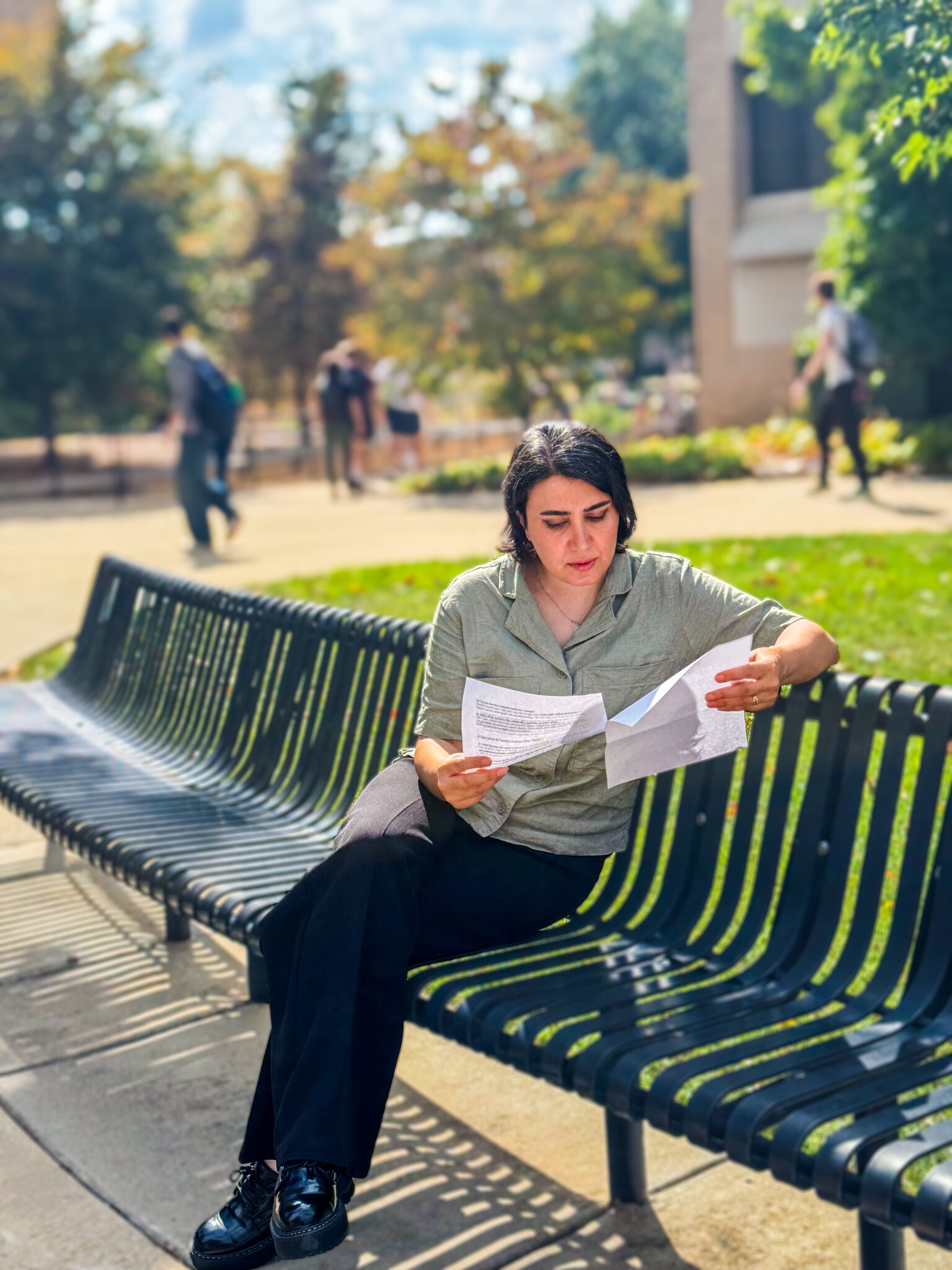
On April 16, MS student Bahar Gholinejad Pirbazari successfully defended her thesis, “Rhetorical Framing of Artificial Intelligence in Microsoft Copilot’s Enterprise Marketing: A Technical Communication Analysis.” Her thesis advisor was Dr. Ryan Cheek, assistant professor of technical communication.

After her graduation in May, Bahar will leave Missouri for Texas to join the PhD program in technical communication and rhetoric at Texas Tech University.

Bajar was admitted to programs at East Carolina University, University of Louisville, Texas State University, and Arizona State University, in addition to being waitlisted at two other institutions. She accepted Texas Tech’s offer after weighing factors such as  ranking, funding, and location. “Their program is the closest to my current major at S&T.”

Read more about Bahar in Panoply:

Two International Graduate Students Turn Rejection into Industry Experience

Designing Across Cultures: Students Reimagine Communication for Iran’s Future
From “Miners Dig Deeper” at Missouri S&T to “Go Pokes” at OSU

Alumnus Saber Mirzaei (MS, FS24) wrote to us recently with exciting news of his acceptance into the MBA program at Oklahoma State University:

“I began my master’s in Technical Communication at Missouri S&T in August 2023 and graduated in December 2024. The program strengthened my communication skills and complemented my background in management. During my OPT period, I applied my knowledge and experience to design a method aimed at helping manufacturers increase revenue in a short period of time. This work inspired me to present my ideas through academic articles in Q1 journals.

“I have been admitted to the MBA program at Oklahoma State University, where I hope to deepen my understanding of scientific management and move closer to my long-term goal of establishing a managerial consultancy institute. This transition has also been personally meaningful, as my lovely wife, Simin, recently began her PhD at OSU—allowing us to share not only our life together, but also an academic journey as colleagues. I sincerely appreciate the continued support of the faculty in the ETC department, especially Dr. Edward Malone and Dr. David Wright.”

on graduation day, December 2025
Saber, David Wright, and Kathyrn Northcut
with Simin on the OSU campus

MS student accepts PhD offer from Virginia Tech

Nadia Ahmadi, a master’s student in technical communication, has been accepted into the PhD program in rhetoric and writing at Virginia Tech. She will be supported by a full graduate research assistantship, working with Dr. Julie Gerdes on an NSF-funded project through the COMPASS Center (Community Empowering Pandemic Prediction and Prevention from Atoms to Societies), part of the Predictive Intelligence for Pandemic Prevention (PiPP) program. This interdisciplinary initiative brings together researchers from Virginia Tech, Cornell University, the University of Michigan, and Wake Forest University to study virus-host interactions through community-based and ethically grounded research. She will be contributing to the “Empower” research team within the project.

Nadia recently visited Blacksburg. Virginia Tech kindly funded her trip, making the experience smooth and enjoyable. During her visit, she met with the program director, the program coordinator, and a graduate student working with her future advisor. She also toured the campus.

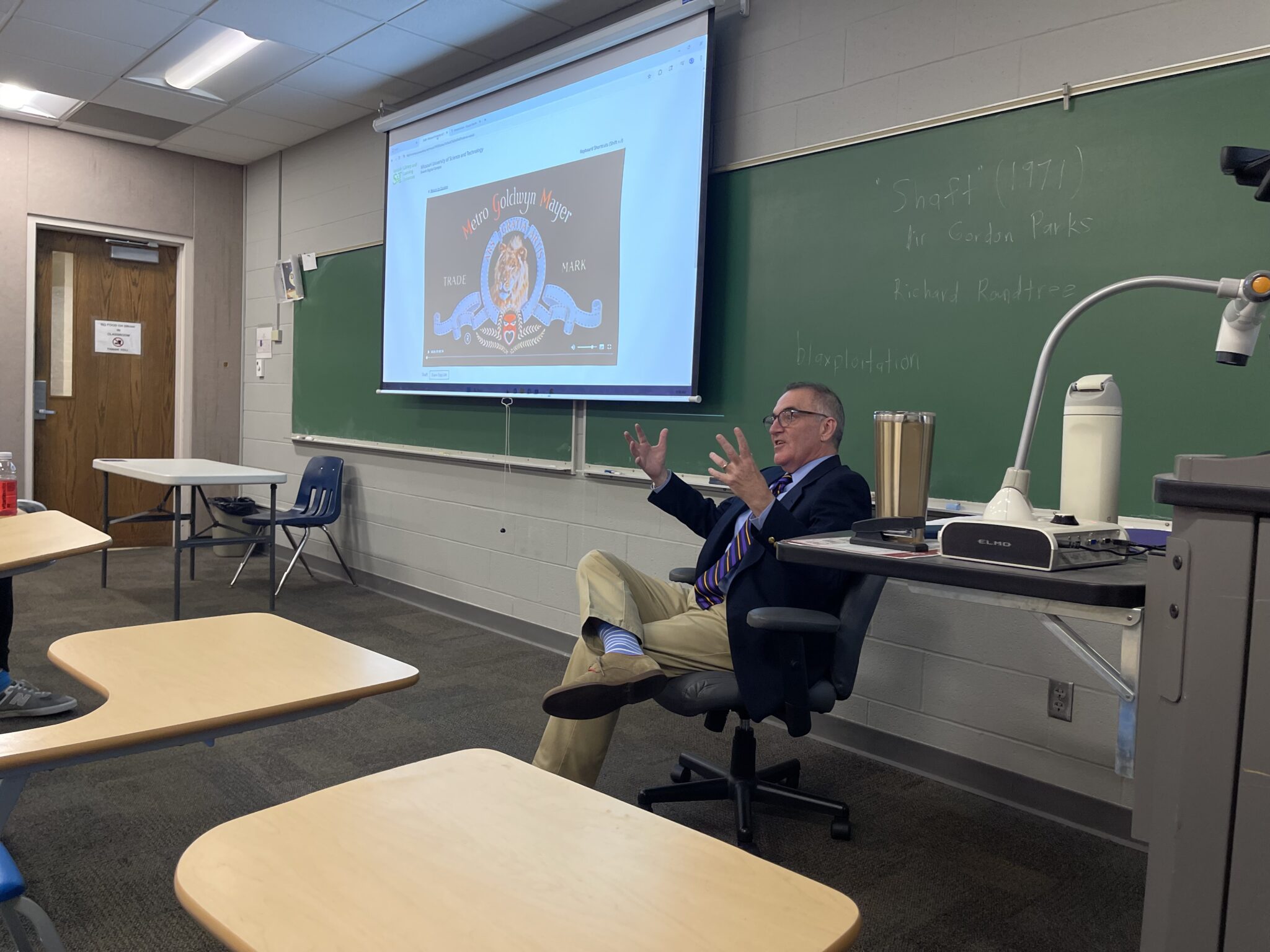
Dr. Brown lectures on “Shaft,” Richard Roundtree, and the legacy of blaxploitation

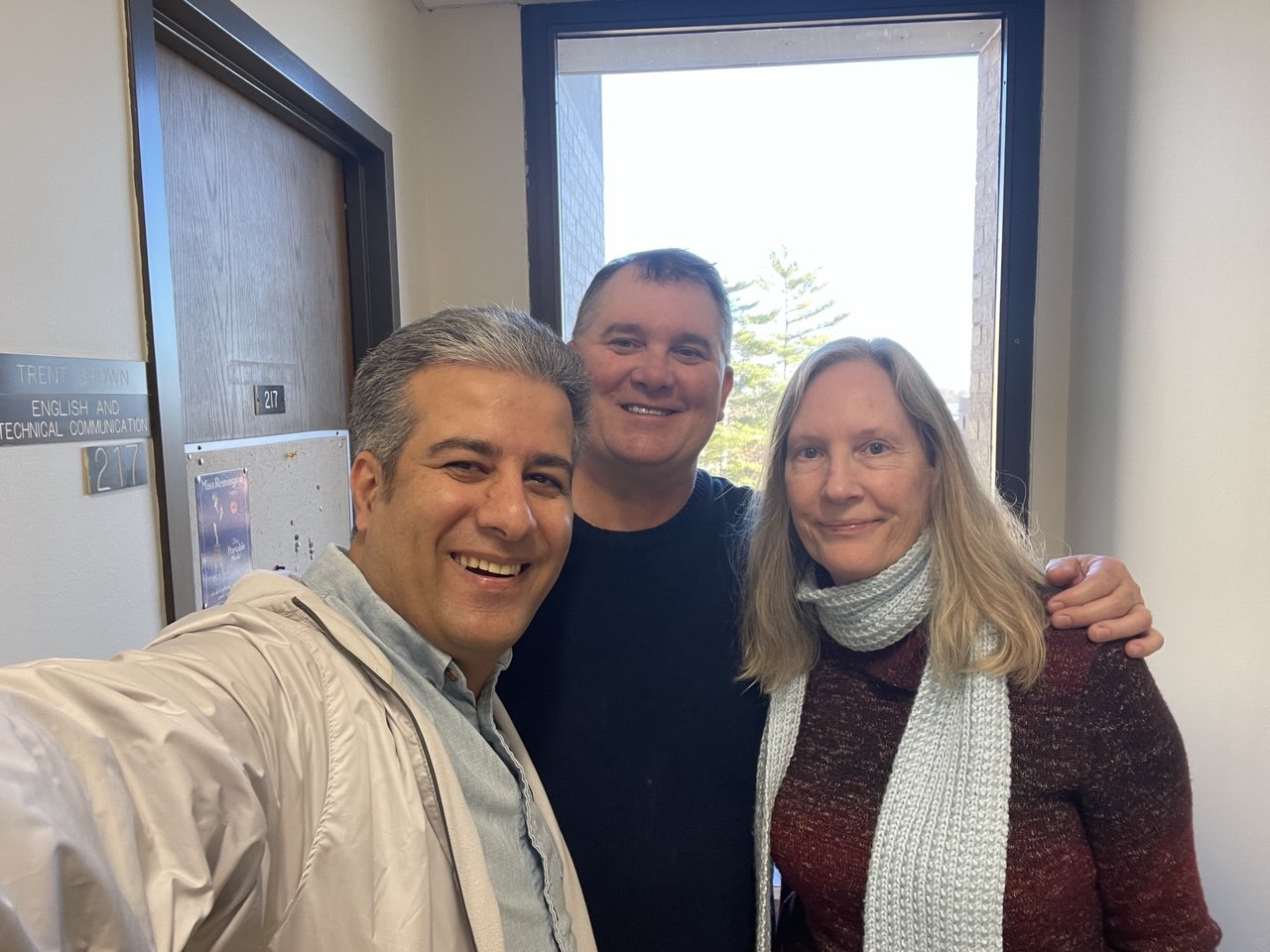
We visited English 2230 Literature and Film when Dr. Trent Brown, professor of American studies, was discussing the 1971 MGM blockbuster Shaft, starring Richard Roundtree.

The film is often classified as blaxploitation, a label combining the words Black and exploitation. Coined in the early 1970s, possibly by civil rights activist and NAACP leader Junius Griffin, the term was used by critics to describe a cycle of films that capitalized on sensational portrayals of Black urban life while marketing them to audiences eager for action movies.

In film history, the “exploitation film” was already a recognized category of low-budget productions featuring provocative subjects such as crime, sex, drugs, or violence in order to attract audiences. When movies like Shaft and Super Fly became popular, critics argued that Hollywood was exploiting Black culture and urban imagery in much the same commercial way.

Brown has taught ENGL 2230 Literature and Film for many years, and it remains one of the department’s most popular courses, along with ENGL 2243 Science Fiction and ENGL 2244 Fantasy Literature.

A scholar of 20th-century U.S. cultural history and literature, Brown studies race and gender in the modern South. He is the author of Ed King’s Mississippi: Behind the Scenes of Freedom Summer (2014) and Roadhouse Justice: Hattie Lee Barnes and the Killing of a White Man in 1950s Mississippi (2022).

He is currently working on several book projects, including a narrative history of Mississippi for the University Press of Mississippi (manuscript due Summer 2026), Murder at Ole Miss: The Jean Gillies Case for the University of Tennessee Press (scheduled for publication in Fall 2026), and a volume on Lynyrd Skynyrd’s Street Survivors for Bloomsbury’s 33⅓ series (contracted for publication in 2027).

Shakespeare at S&T’s Renaissance Fair

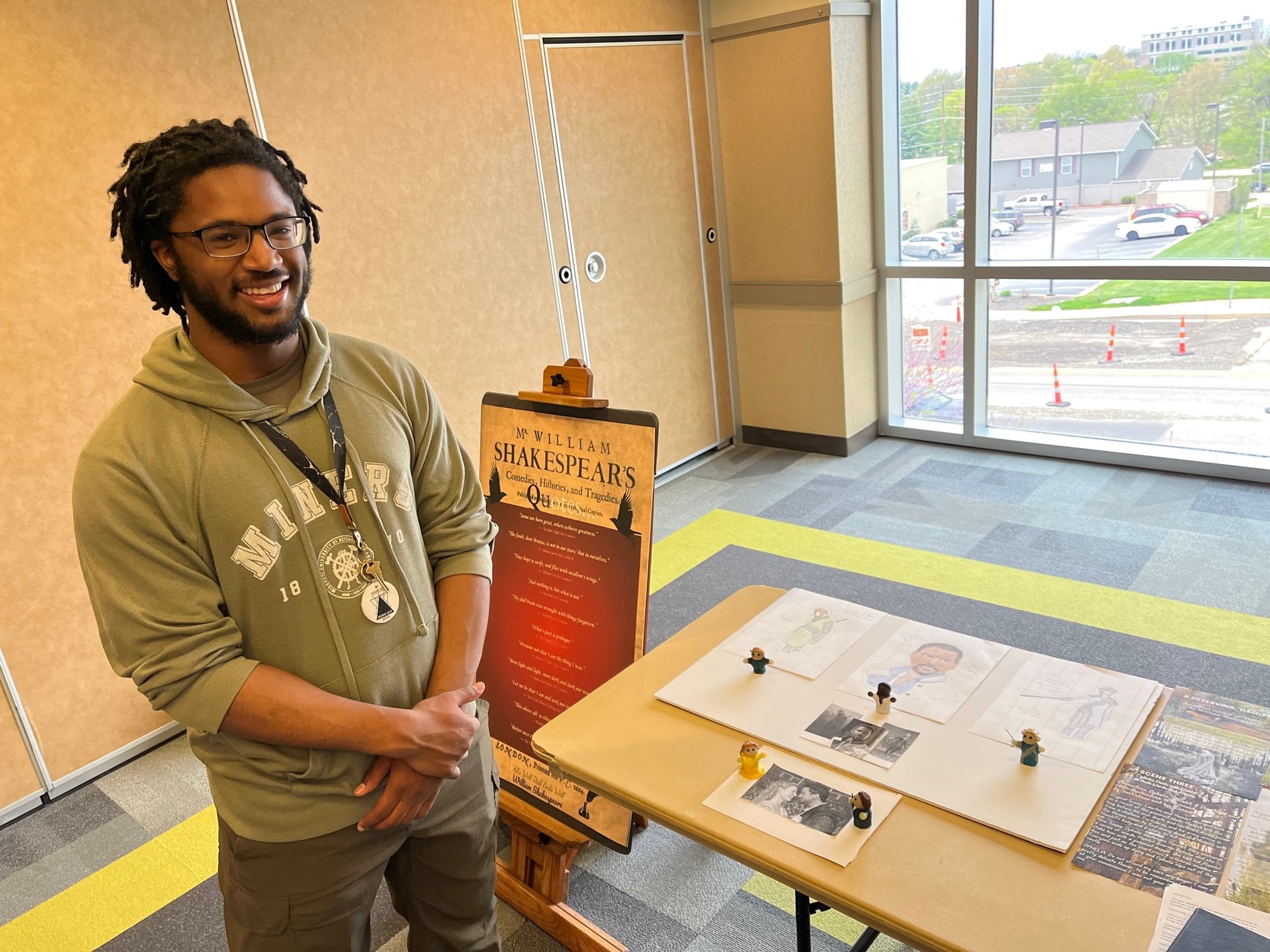
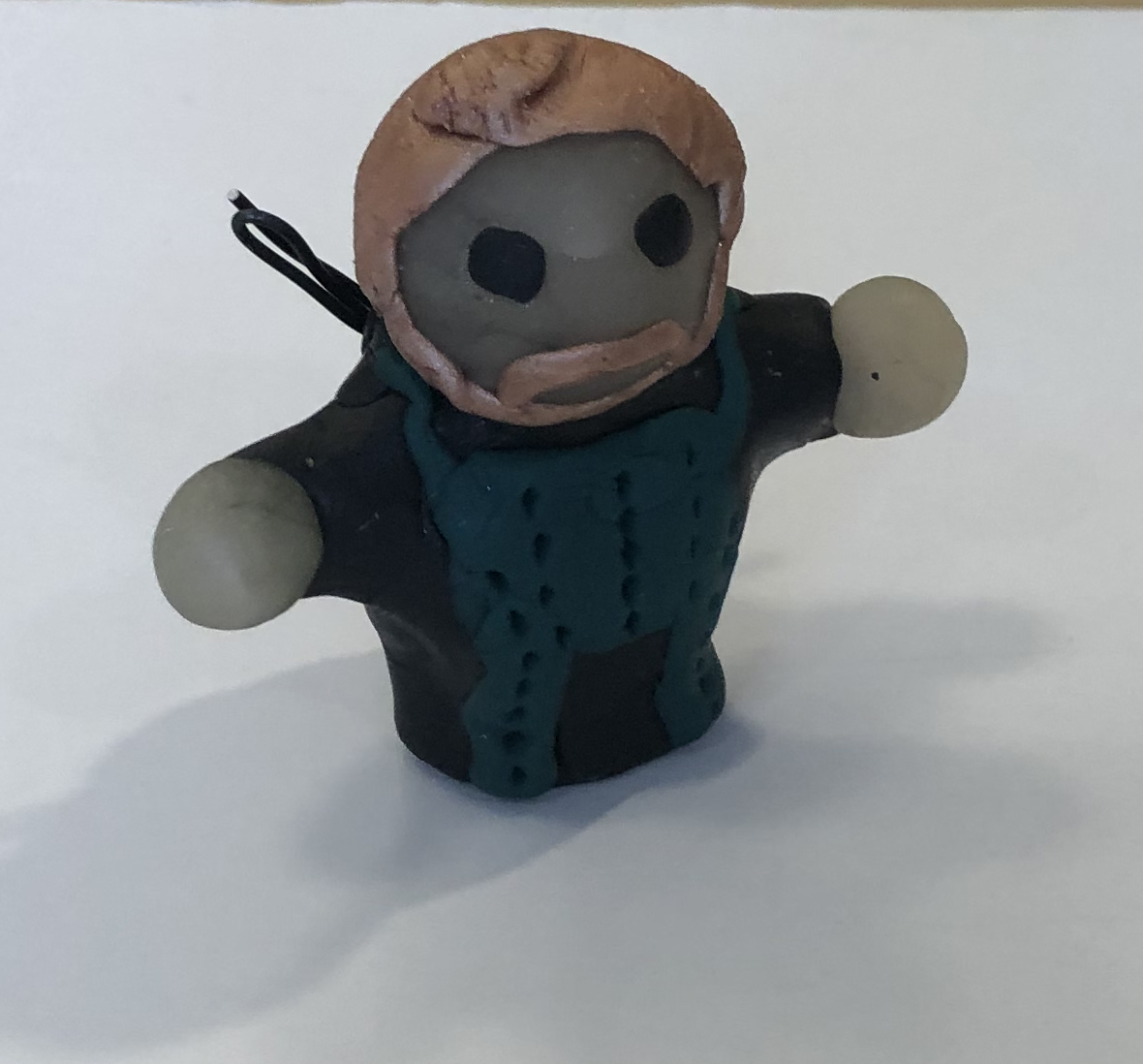
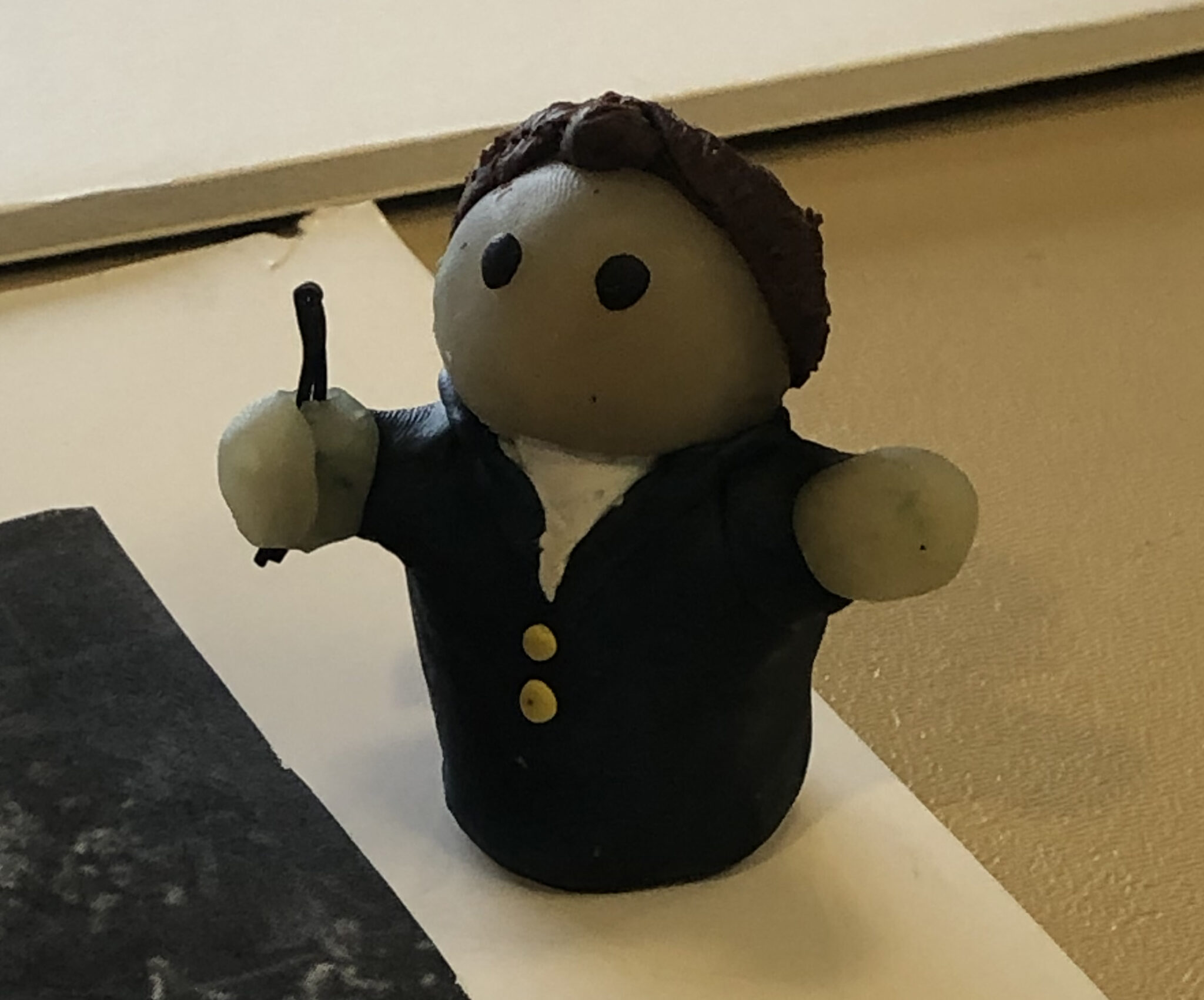
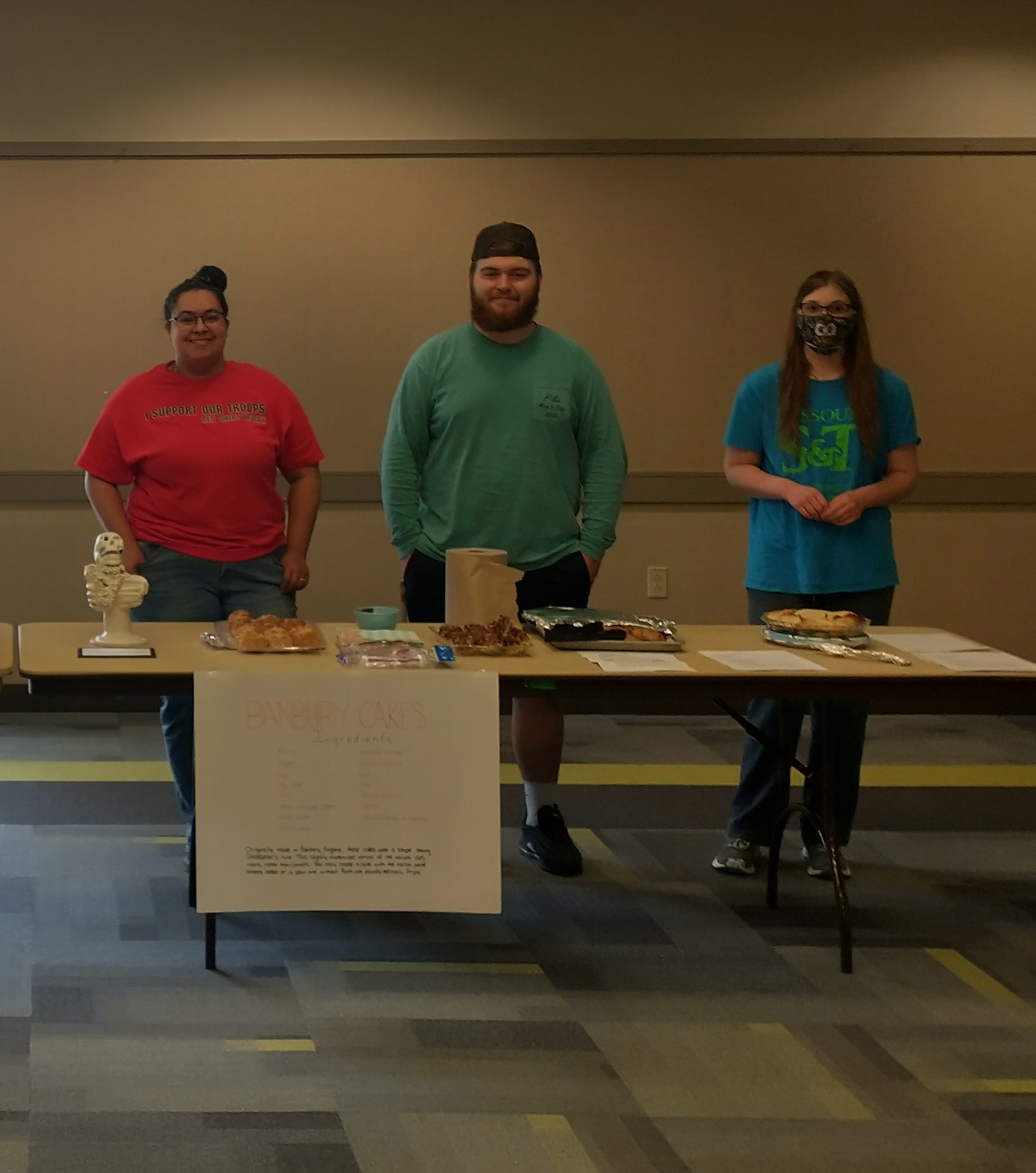
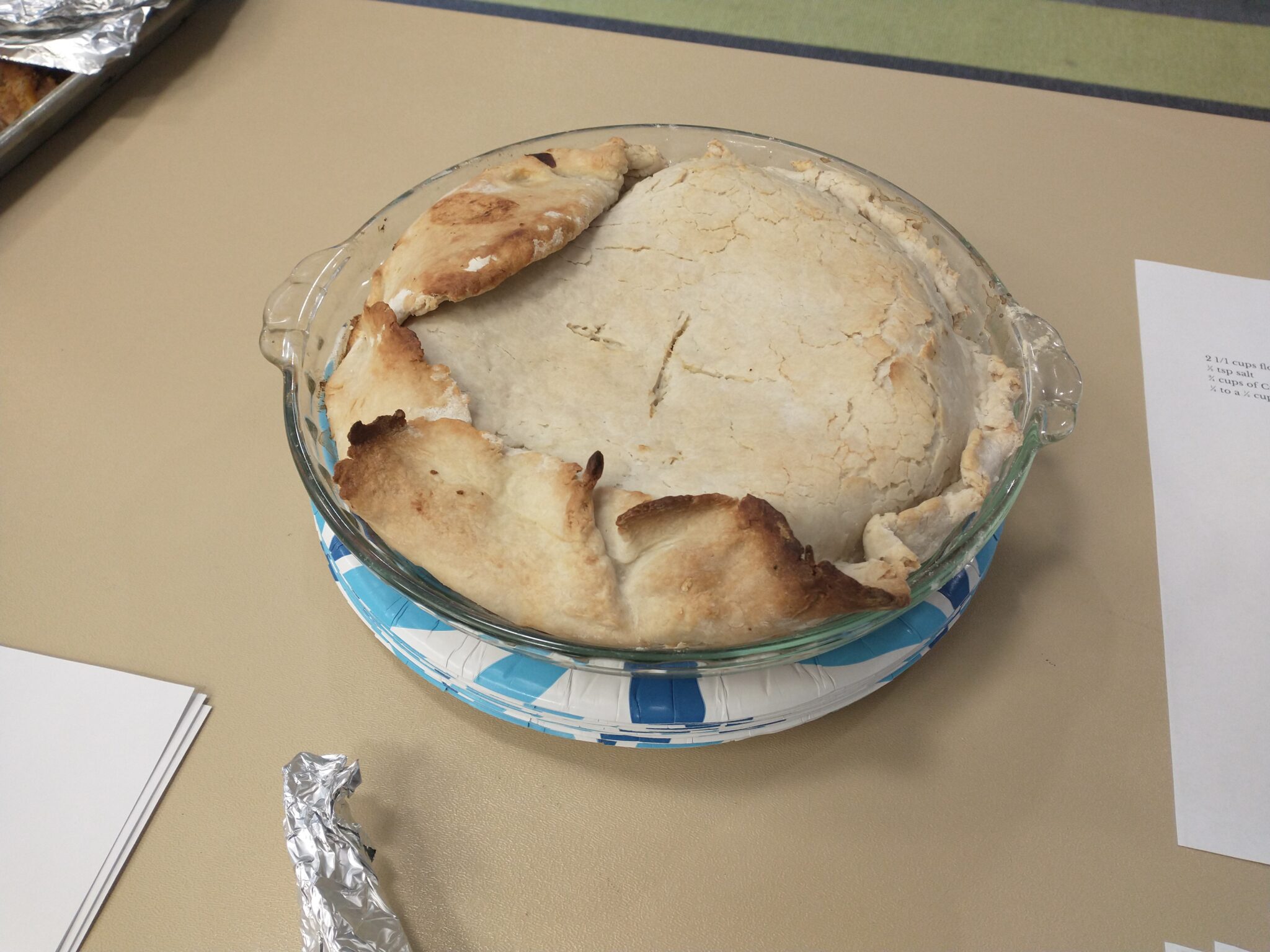
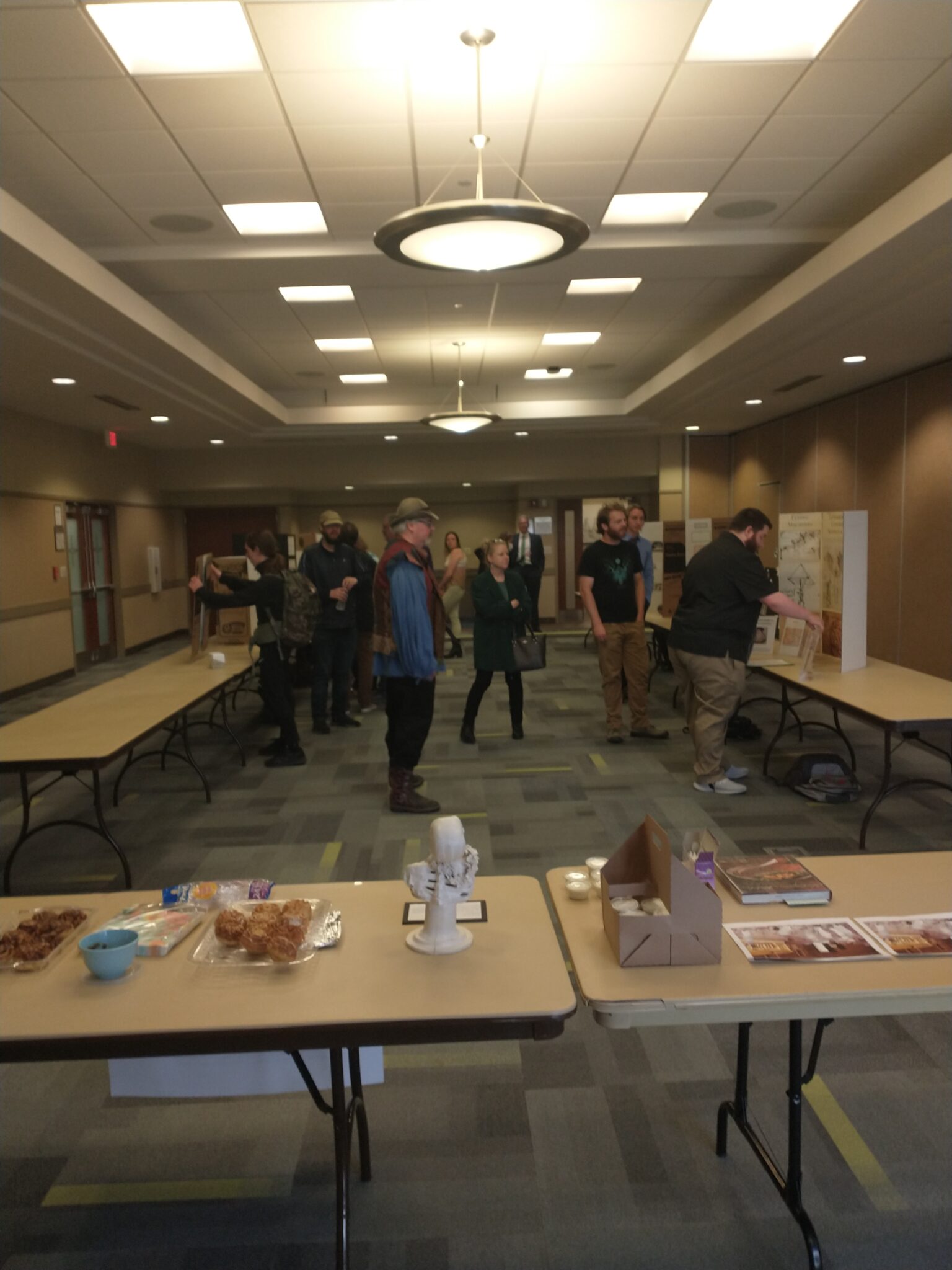
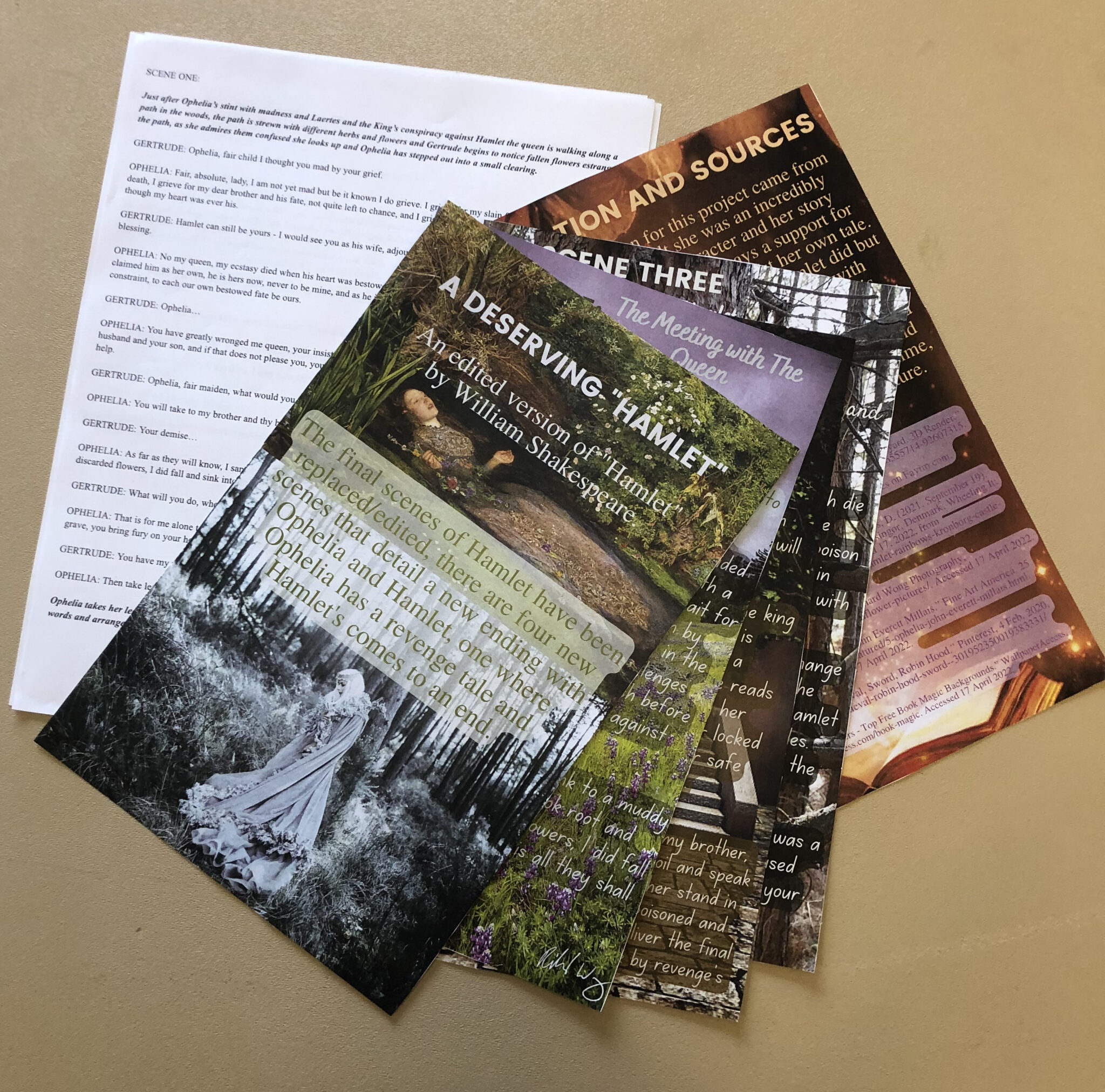
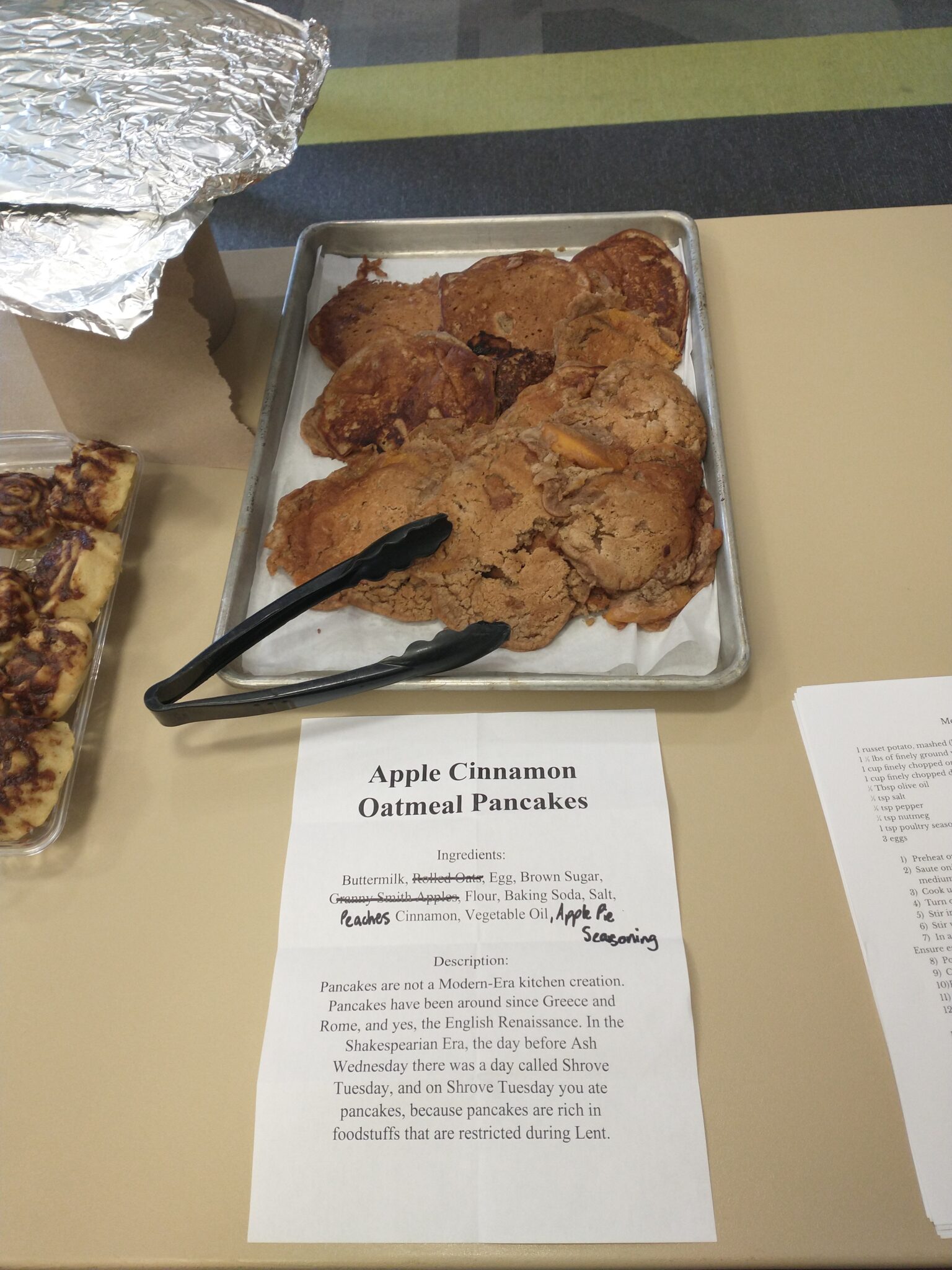
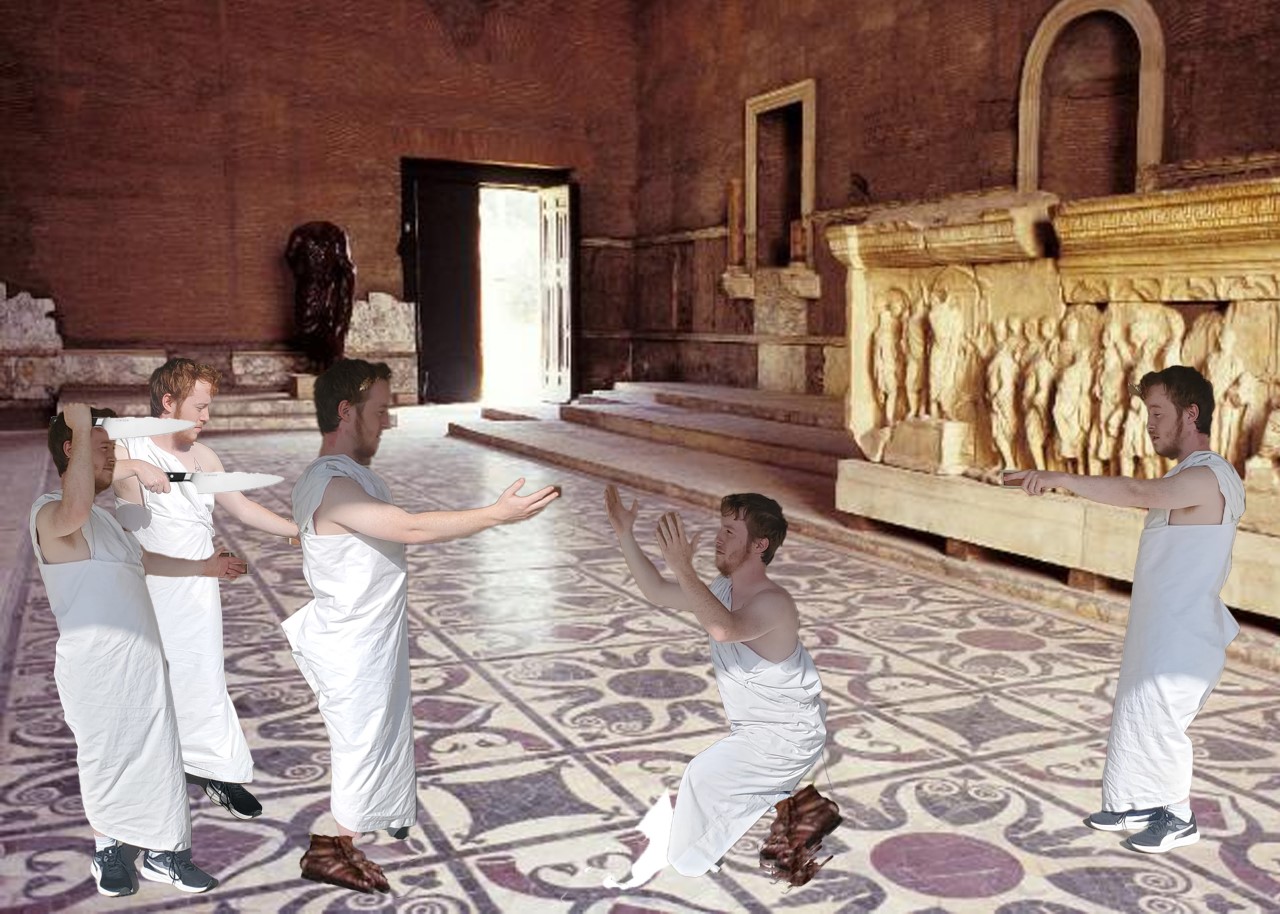
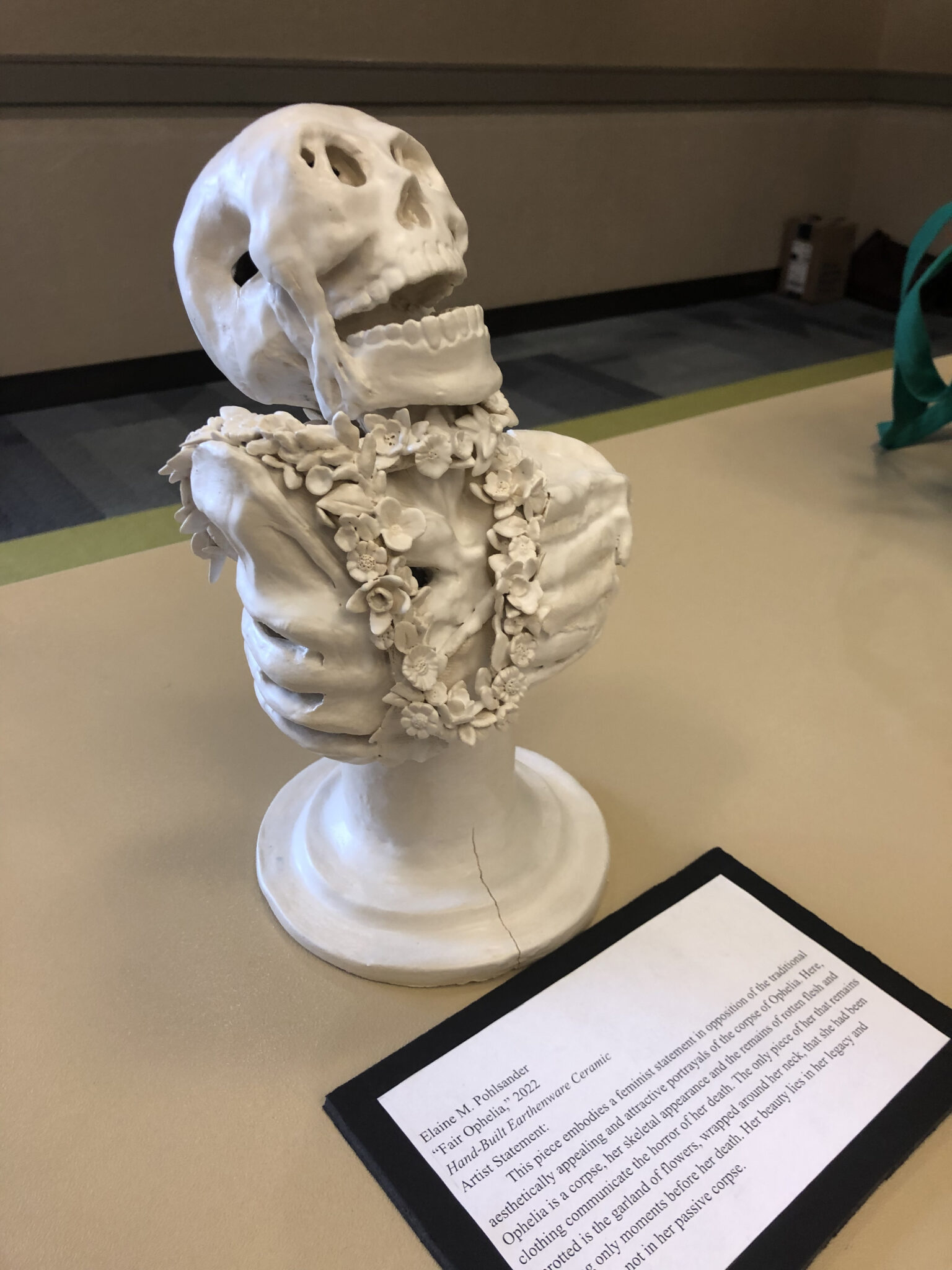
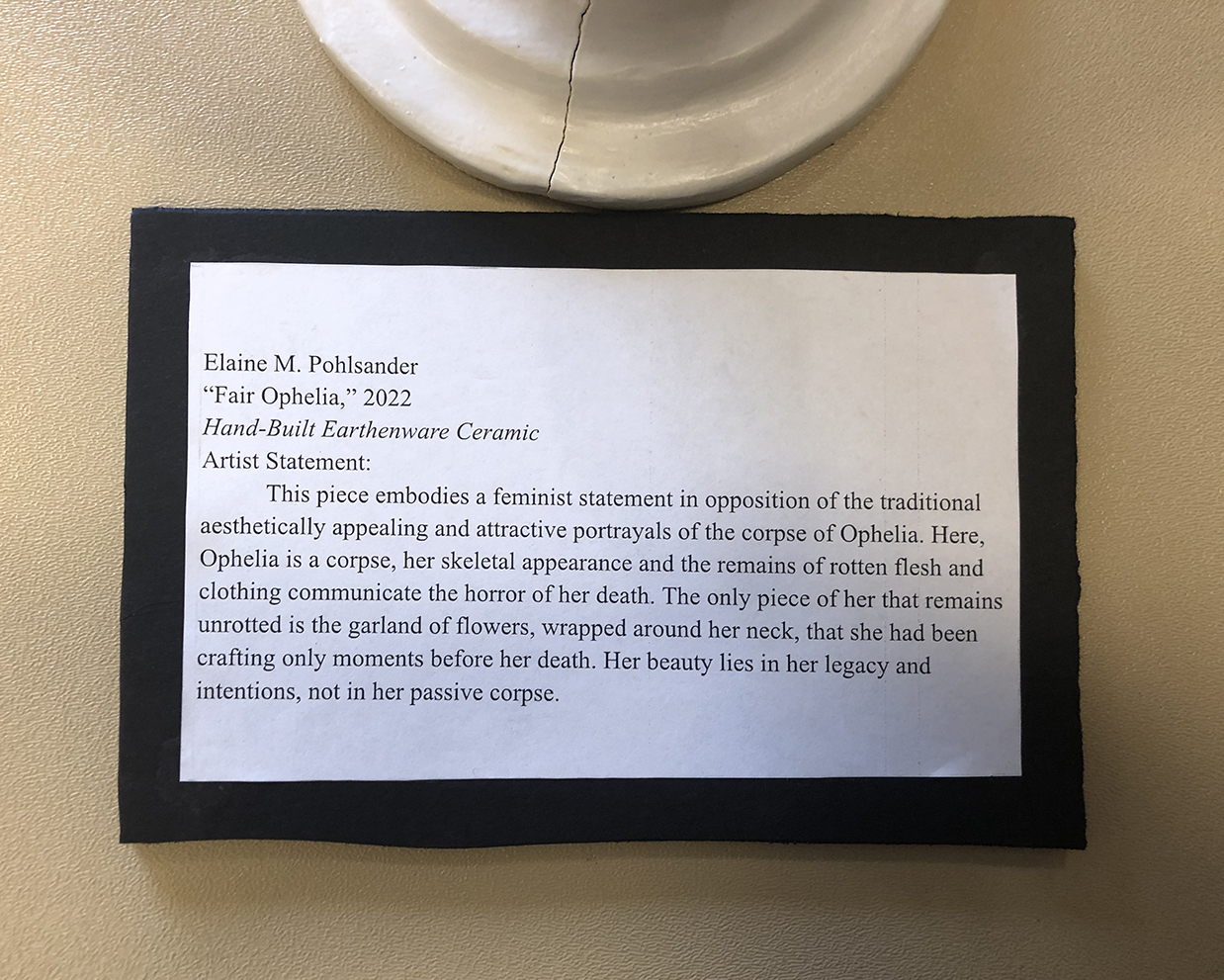
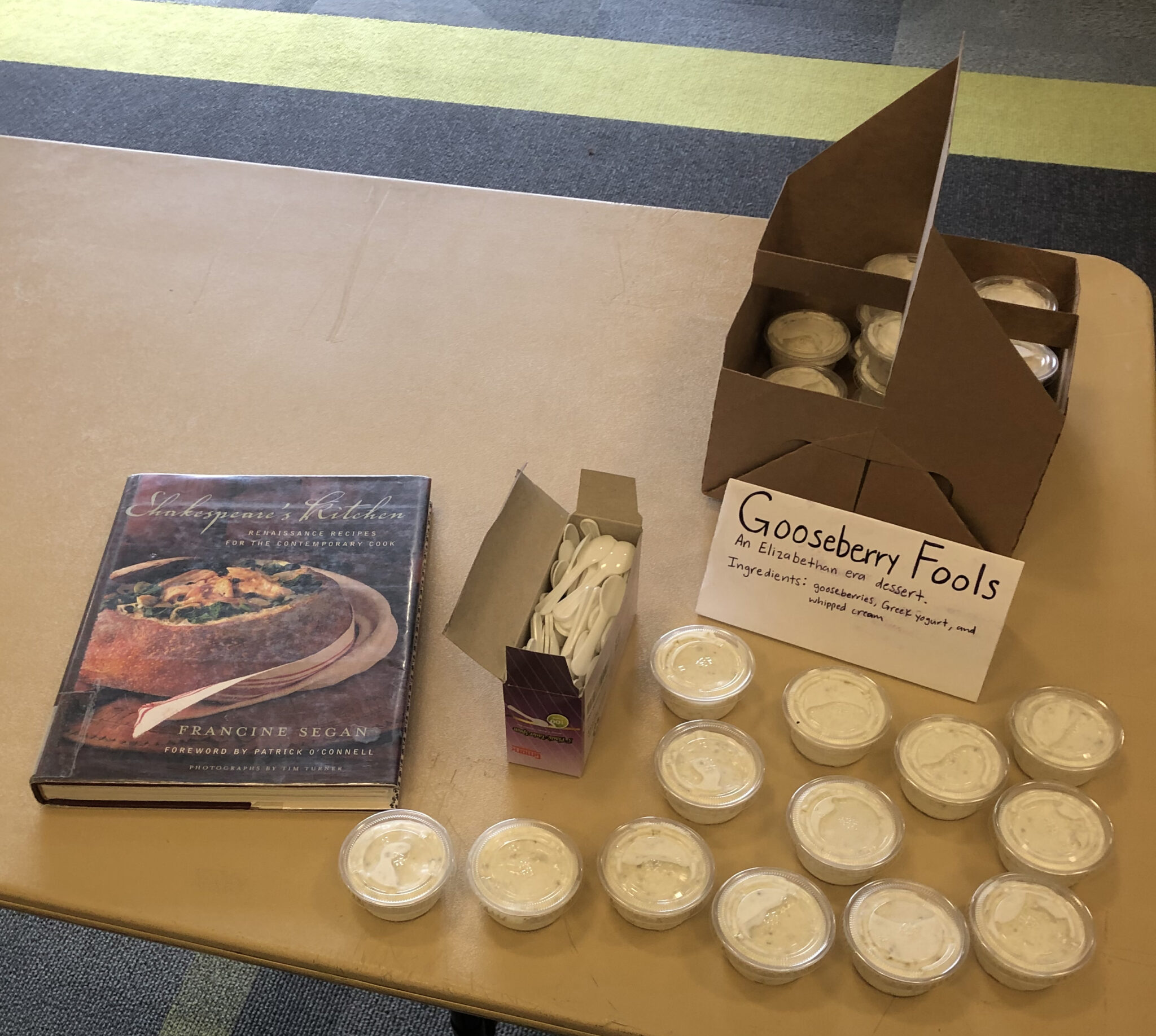
Students in English 3214 Shakespeare participated in S&T’s annual Renaissance Fair in the Havener Center on April 29, 2022. Their contributions included a bust of the drowned Ophelia, posters and a script for a new ending to Hamlet, sketches and weenicons of Shakespeare’s characters, a photograph of the assassination of Julius Caesar with one person playing all the roles, gooseberry fools (from a recipe in the book Shakespeare’s Kitchen), and venison pie (a popular Renaissance dish).

We Have Combined Our BA and BS into a Single Degree Program

The Missouri Department of Higher Education recently approved our request to combine the Bachelor of Arts in English and the Bachelor of Science in Technical Communication into a single degree program: a Bachelor of Science in English and Technical Communication (120 credit hours).

The combined major will have a common core of 9 credit hours:

  • ENGLISH 2410 Theory of Written Communication
  • TCHCOM 5620 Research Methods in Technical Communication
  • TCHCOM 4410 Theory and Practice of Technical Communication (Capstone)

A student majoring in English and technical communication will complete this core and one of the following general modules:

  • Technical Communication (12 hours)
  • Literature (12 hours)
  • Linguistics (12 hours)

For the remaining 99 hours, the student will take general education courses, courses in specialized modules (such as creative writing and game studies), and elective courses.

The current BA and BS will be phased out.

The decision to combine the BA and BS was informed by an external review of the undergraduate degree programs in February 2020. The external reviewers were Dr. Karla Saari Kitalong, Michigan Technological University (Michigan Tech); Dr. Kathryn Rummell, California Polytechnic State University (Cal Poly); and Dr. Russell Willerton, Georgia Southern University.

New Graduate Track Pathway Allows BS/BA Students to Complete the MS Program Sooner

Starting in fall 2020, BA and BS majors in our department were given an exciting new option: an accelerated master’s degree program. This program, one of several Graduate Track Pathway (GTP) programs on campus, allows a student to start working on the MS in Technical Communication during his or her senior year.

To be accepted to the program, the student must have a 3.5 GPA or better in at least 9 credit hours of English and TCH COM courses plus at least a 3.0 overall GPA. Upon completing 90 credit hours of undergraduate coursework, the student may apply for admission to the MS program in technical communication at futurestudents.mst.edu/admissions/graduate. After applying, the student should contact Dr. Daniel Reardon to complete the accelerated program admission form.

Once accepted to the program, the senior may take up to three TCH COM courses (or 9 credit hours) that will count toward both the undergraduate and graduate degrees.

Revised MS Requirements (Effective Fall 2020)

A revised version of our Master of Science in Technical Communication went into effect in Fall 2020. The major changes are as follows:

  • An MS student is no longer required to take a comprehensive examination or complete a thesis, although completing a thesis is still an option.
  • Rather than taking 10 specific courses for the degree, a non-thesis MS student must take TCH COM 6600 Foundations of Technical Communication and 9 more courses of his or her choosing from a list of 15 courses. (However, the choices are constrained by what is being offered in any given semester.)

For more information about the changes, compare the previous version of the degree to the revised version:

The revision was informed by an external review of the MS program in February 2019. The external reviewers were Dr. Julie Watts, University of Wisconsin-Stout; Dr. Miles A. Kimball, Rensselaer Polytechnic Institute; and Dr. Kirk St. Amant, Louisiana Tech University.

The revised degree requirements apply only to students who begin their studies in Fall 2020 or later. Students who began the MS before Fall 2020 must complete the degree requirements that were in effect when they matriculated unless they submit a form to change their “catalog year.”

Malone Co-Authors Textbook about Technical Editing

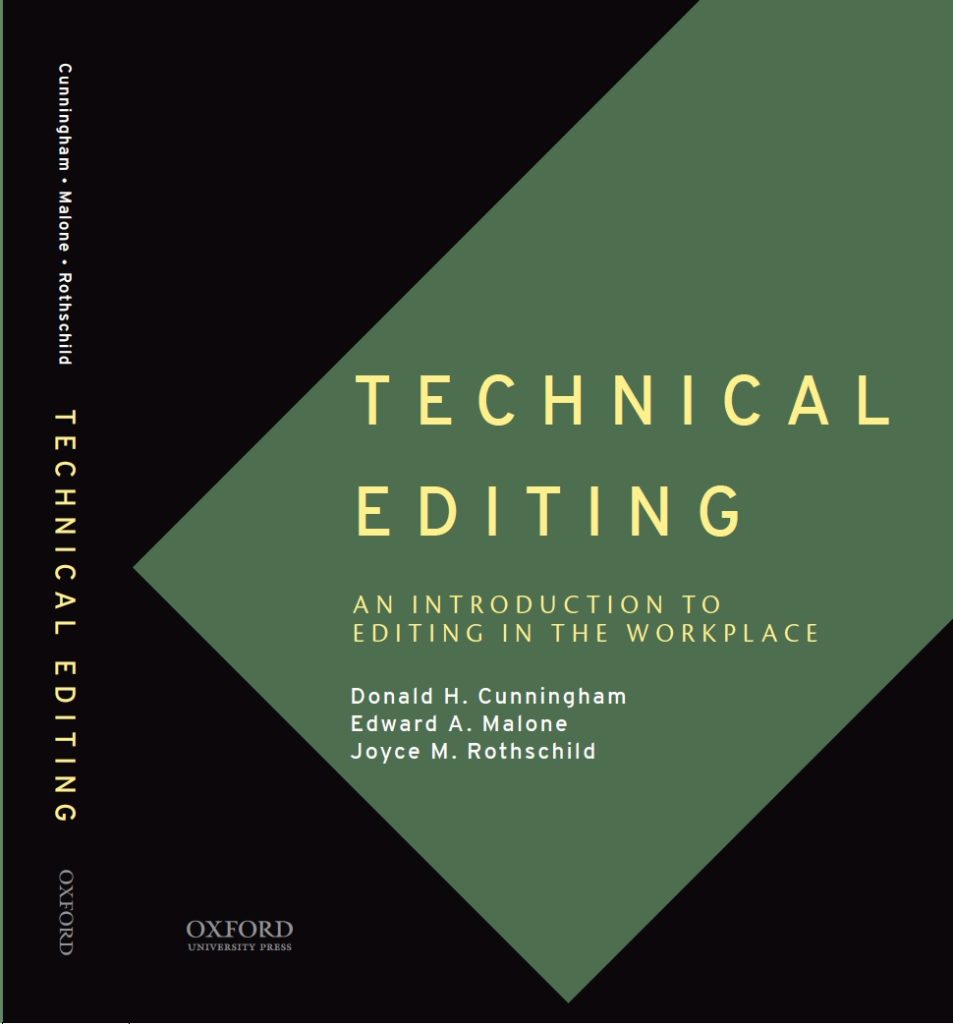
Dr. Ed Malone, professor of English and technical communication, is the co-author of Technical Editing: An Introduction to Editing in the Workplace, recently published by Oxford University Press. His co-authors are Donald H. Cunningham and Joyce M. Rothschild, both of Auburn University. Several S&T alumni contributed to the book.

Alumna Amra Mehanovic (BS, 2017; MS, 2019), a content strategist for Express Scripts, created 17 visuals for the textbook. Ten more alumni are featured in “On the Record” boxes in the textbook:

  • Amy Ketterer (BS, 2014),  editorial assistant for the U.S. Geological Survey
  • Elizabeth Richardson (BA, 2005; MS, 2007), lead technical writer for Schneider Electric
  • Shubhangi Vajpayee (MS, 2013), technical writer for Amazon Web Services
  • Misty Adams (BS, 2011; MS, 2013), technical editor for the NASA Goddard Space Flight Center
  • Amruta Ranade (MS, 2017), senior technical writer for Cockroach Labs
  • Matt Peaslee (BS, 2012), lead project manager and scrum master for Mastercard
  • Blake Williams (BA, 2013; MS, 2015), technical writer for Automatic Systems
  • Elizabeth Roberson (MS, 2011), assistant teaching professor at Missouri S&T
  • Tara Bryan de Cañellas (MS, 2007), formerly Tara Gosnell, technical editor for the U.S. Navy
  • Emily Seals (MS, 2016), technical editor for graduate studies at Missouri S&T

Adobe Donates Licenses for Its Technical Communication Suite

Our department is continuing its partnership with Adobe Systems Inc. to give students and faculty in technical communication classes hands-on experience with Adobe’s industry-standard software. This partnership is made possible through Adobe’s University Outreach Program, which offers selected programs free use of the Adobe Technical Communication Suite.

The partnership between our department and Adobe began in 2015 and was recently renewed for another year.

“We are thrilled to continue working with Adobe and with Adobe’s generosity toward our program,” says Dr. David Wright, associate professor of English and technical communication at Missouri S&T. “Our students have benefited greatly from their experience with Adobe products, and we are proud to be associated with them.” 

S&T students have completed several projects for university departments and non-profit agencies during the past few years with help from Adobe software.

“Using Adobe software as a part of my course curriculum was one of the most useful learning experiences I’ve ever had,” says Rudi Starek, an undergraduate technical communication major at S&T. “I now better understand the work that goes into creating complicated design documents, and I hope to improve my own skills on Adobe software as I continue to work with the variety of programs offered.”

Priyanka Ganguly, a graduate student in technical communication at Missouri S&T, says she appreciates how user-friendly Adobe products are.

“For every Adobe product, there is a training module which helps the users perform their tasks conveniently,” Ganguly says. “I have worked on Robohelp, Captivate, and Photoshop. All of these products are extremely useful. I think it is not possible to create and edit images in other software like we can play with an image and format pictures in Photoshop. As a student, I have benefitted a lot from the Adobe products.”

Missouri S&T offers a Bachelor of Science, Master of Science, and Graduate Certificate in Technical Communication.